Australian-first Stubble Quail GPS tracking research begins in Victoria
03/08/2026
The Game Management Authority (GMA) has partnered with Deakin University to conduct an Australian-first research project that will use GPS tracking technology to better understand the movements, habitat use and behaviour of Stubble Quail.
The Game Management Authority (GMA) has partnered with Deakin University to conduct an Australian-first research project that will use GPS tracking technology to better understand the movements, habitat use and behaviour of Stubble Quail.
The new study aims to understand what drives Stubble Quail movement, which habitats they use and when and how they respond to environmental conditions and changing land management. This improved ecological understanding will help to ensure sustainable management of Stubble Quail hunting in Victoria.
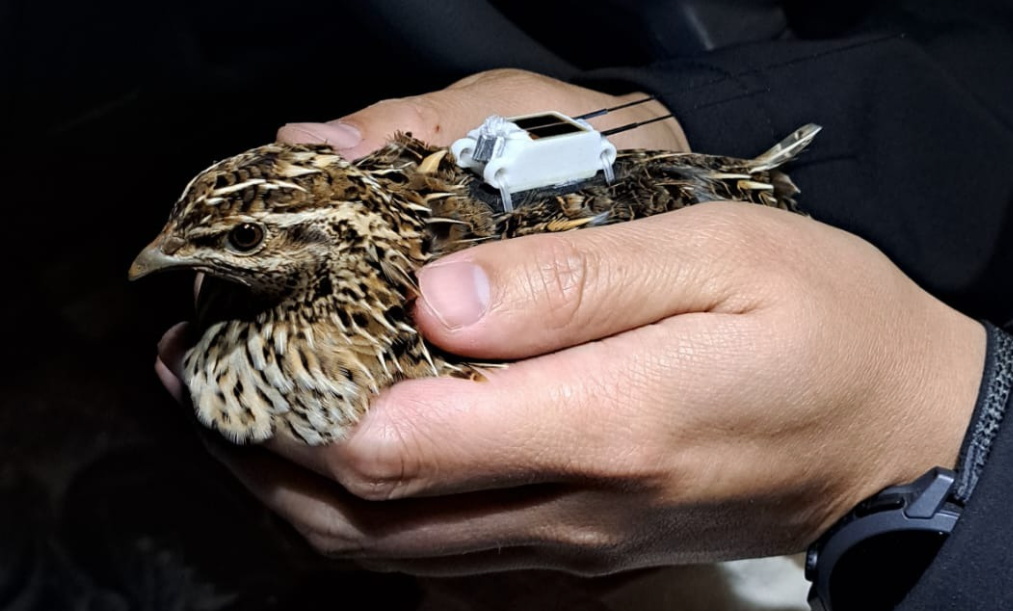
As part of this project, Stubble Quail will be fitted with lightweight solar-powered GPS tracking devices at locations across Victoria. Researchers are aiming to fit a small number of birds with trackers in the first year to ensure they work properly on this species before they are fitted to a larger number of birds over the following two years.
The GPS tracking devices will record the Stubble Quails’ location, movement, breeding, feeding and resting patterns 24 hours a day, allowing researchers to monitor how they respond to environmental conditions, agricultural practices and habitat changes.
GMA Strategy and Research Director Simon Toop said this Australian-first research will provide vital insights into Stubble Quail ecology.
“The GMA has long-running research into the annual recreational harvest of Stubble Quail and has conducted statewide abundance surveys since 2021, however, there is more to learn about their population dynamics and response to environmental conditions,” Mr Toop said.
“While Stubble Quail are one of Victoria’s most widespread native grassland birds, little is known about how they move across the landscape, where they breed, what habitats they rely on and what factors influence their survival.”
“Understanding the movements and behaviors of this cryptic species is of great importance, not only for game management, but also for their broader conservation.”
Researchers will also collect blood and swab samples from captured birds to investigate potential exposure to pesticides and diseases. This could include testing for the highly pathogenic avian influenza (HPAI), contributing information to broader HPAI surveillance.
The research began in June 2026 and will continue to 2029. Results will be published in a PhD thesis, technical report and in peer-reviewed scientific literature.
To keep up-to-date with the latest progress on the project, visit https://shorturl.at/V4y3m
This project builds on the GMA and Deakin University’s ongoing research partnership, which also includes a duck spatial ecology study investigating the movements, survival and behaviour of four of Victoria’s most important duck species. For updates on the duck spatial ecology research, visit the Tracking Victorian ducks website.